
The Lucifer Effect in the Context of Epidemics: How Environment Affects Behavior
By Jiangnan Misty Rain, Jointing.Media, in Shanghai, 2022-05-24
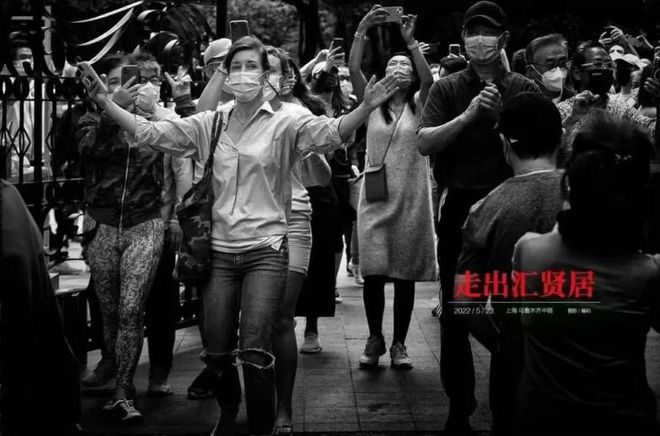
It has been heard on the grapevine that on the 22nd of this month, most of the residents of Huixianju in Shanghai’s Xuhui district gathered at the entrance of No.287 Wuyuan Road, where the Hunan Road Office is located, and after a night of protest, finally won the right to enter and leave the neighbourhood freely without restrictions on the number of people and the number of times they can enter and leave the neighbourhood (20220522). It is raining in Shanghai today and Huixianju has been resealed (20220524), with a police presence at the entrance.
The Stanford Prison Experiment of 52 years ago may be worth revisiting.
In 1971, the American psychologist Philip George Zimbardo, in order to examine the extent to which the social environment influences human behaviour and the ways in which social institutions can control individual behaviour and dominate individual personalities, values and beliefs, placed an advertisement in a newspaper: Looking for college students to participate in an experiment in prison life, reward $15 a day for two weeks.
After a series of psychological and medical tests, 24 physically and mentally healthy, emotionally stable and law-abiding young university students were selected. They were randomly divided into three groups: nine guards, nine prisoners and six extras.
To make the situation more realistic, the basement of a Stanford University classroom building was transformed into a prison; the guards were issued batons, handcuffs, police uniforms and sunglasses; the inmates were arrested from their homes by real police officers, who were then asked to change into prison uniforms, were not allowed to use their own names but only numerical code numbers as their identities, were handcuffed, and were required to obey the prison administration.
Soon everyone is invested in their role in this simulated situation or atmosphere. The guards began to exercise their leadership by torturing and humiliating the inmates who dared to challenge their authority, and this punishment gradually escalated; while the inmates gradually showed reactions very similar to those of first-time inmates in real prisons, as they gradually became submissive and gradually identified with their status as inmates.
In this experiment, almost everyone was overly invested in their role in this atmosphere, and the simulated prison embodied situations that would only be found in a real prison. The experiment had to be stopped on the sixth day to prevent more serious problems.
Under the influence of certain situations and systems, people’s character, thinking, and behavior will show an incredible side, and the phenomenon of reflecting the evil side of human nature is known as The Lucifer Effect. Zimbardo described this experiment in detail in his book The Lucifer Effect:Understanding How Good People Turn Evil (2007), which became known as the Stanford Prison Experiment.
(Editor’s note:The core idea behind the Lucifer Effect is that situations and systems can shape human behavior in negative ways that lead good people to make unethical choices. Zimbardo argues that various social dynamics like obedience to authority, peer pressure, deindividuation and diffused responsibility can work to diminish moral sensibility and make cruelty seem acceptable. )
Everyone is unconsciously influenced by his environment and changes his behavior. Shanghai has passed 60 days after becoming a giant prison; Beijing is being Shanghaiized into separate districts; there are many other large cities and small counties that have passed, are being, or will be quietly managed; there are no cases, no need to seal off the town, but announce that the town requires residents to have a nucleic acid test every other day before leave homes;and in villages where farmers are required to wear protective clothing before they can go out into the fields with their spring planting permits. This dystopian drama unfolding in China is nothing less than a large-scale experiment in the Lucifer effect.
Those who are in it are forced to be prisoners or fugitives, those who are forced or actively choose to be guards, and others who sit behind cameras and numbers and monitor it all. These different identities reshape each person’s behaviour, and each act is a reinforcement of perception, which further changes the person’s thinking, which in turn then influences the repetition and intensification of behaviour.
Two years ago, people affectionately called the medical workers who wore white protective suits and bravely went against the grain to save lives Da Bai. So what are the people doing who blur the identity of the individual and hide their various roles under the white suits? They may be the staff of a few neighbourhood committees, ruthlessly enforcing the so-called rules from above; they may be the law enforcers, breaking the law in the name of preventing epidemics; they may be the propagandists in the official media, doing superficial photo-shooting propaganda; and they may be the city administrators, changing their orders from one day to the next, all in the same white cover. Different behaviours have changed people’s perception of Da Bai. The word “Da Bai”, which once meant warmth and respect, has been stigmatised as something like the “Axe Gang”.
(Editor note: Chinese Da Bai comes from the character Baymax in the movie Big Hero 6)
The videos related to the recording of the Hui Xian Ju on the Internet have now been removed. The details of the incident, as told by those who experienced it, continue to be spread in the virtual world.This kind of “discordant” voice being “harmonized” often occurs.
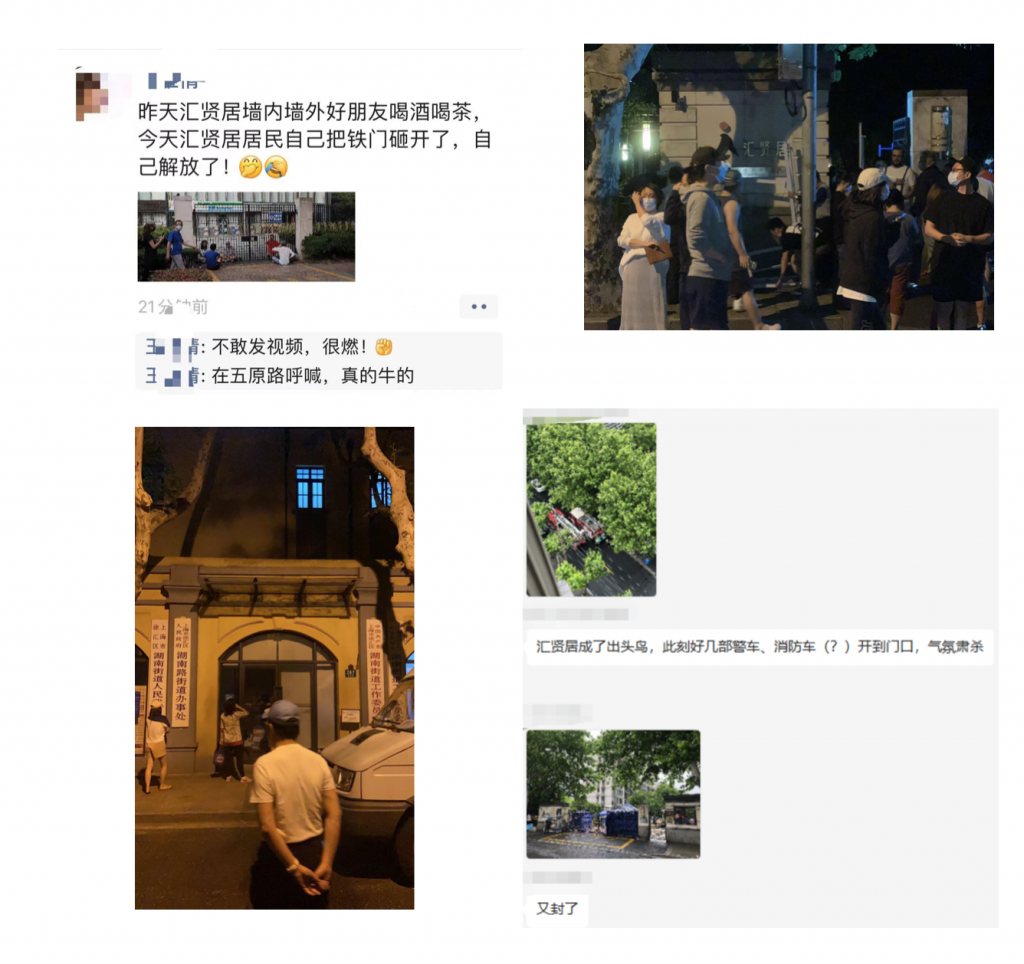
After the spring equinox and the small abundance, Shanghai’s spring passed in the silence of the whole city. Even if people’s eyes are covered, their mouths gagged, and their online “rumors” deleted, their memories cannot be erased. What is imprinted in the minds of those who experienced it and those who watched it will reshape their perceptions, and the individual psychological changes will gradually show up in their behavior. More far-reaching changes in group behavior and the social problems that have been and will be caused have also become the secondary disasters of the city closure and anti-epidemic. The depth, breadth, and duration of this disaster may be beyond our imagination.
Lucifer, also known as Satan or the Devil, is derived from the Latin term lucem ferre, meaning light-bringer. According to Christian theology, Lucifer was once the archangel before the Fall. Due to his excessive pride and self-confidence, he wanted to be equal to God and led one-third of the angels to rebel, which is also known as the famous War in Heaven. He was defeated and imprisoned in the prison of fallen angels, and was subsequently banished and lost the glory he once held. Later, Lucifer re-established a new world in Hell, similar to Heaven, where he became Satan, the demon king, and the fallen angels who followed Lucifer became demons.
Originally good angels, in a variety of environmental factors become fallen angels, and even the so-called Satan. When some people become a cold number in the eyes of another part, when some people become a ruthless tool in the hands of another part, when the environment subtly shapes people, some people from good to evil.
The Stanford Prison Experiment is often compared to the Milgram Experiment, also known as the Obedience to Authority Study. The purpose of the experiment was to test how much refusal/obedience is humanly possible when subjected to an order from an authority figure that goes against one’s conscience. Such “experiments” are being conducted all over the world in the name of the COVID-19 epidemic, and people are watching.
Friedrich Hegel said:” The only thing we learn from history is that we learn nothing from history.”
We all repeat history.
Whatever has happened before will happen again.
Whatever has been done before will be done again.
There is nothing new under the sun.
——Ecclesiastes
References:
- .https://www.psychspace.com/psych/viewnews-1218.html
- https://zhuanlan.zhihu.com/p/358180144
- http://www.PrisonExperiment.org
Edited by Wind and DeepL
Image from internet
Ralated:
Stanford Prison Experiment
The Lucifer Effect
The Story of Sunflower: Acupuncture Became “Good Doctor” in Remote Areas(II)
【专栏】| Conlumists >微公益 | MicroCharity
By Yibai, Jointing.Media, in Shanghai, 2018-11-08
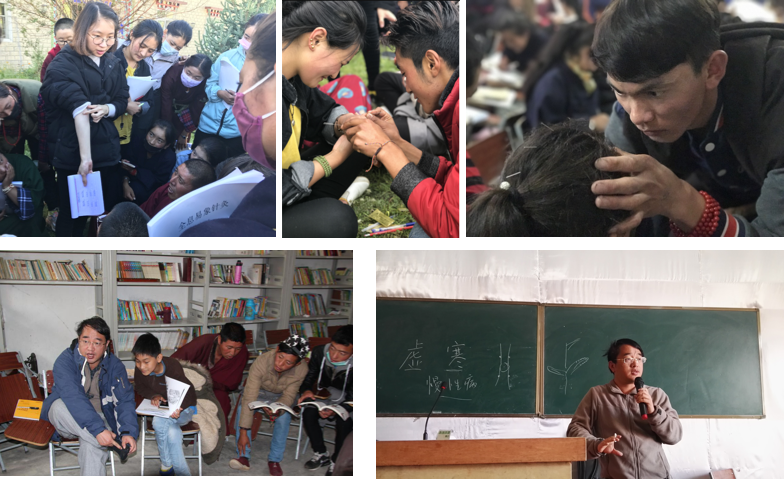
Image 2: Assistant teacher Wu Wenwen is giving a class to the students of Tibet Medical School(July 2017)
Image 3,4: Students carefully practice Acupuncture(July 2017)
Image 5: “Look, Taichong Point is here” (July 2015)
Image 6: Yang Yongxiao in the class of Liuliguang Tibetan Medicine School of Ganzi (July 2015)
Easy and attainable
As a layman, JM wondered why acupuncture was chosen for the Tibetan Medicine course. Dr. Yang explained that acupuncture is a means of treatment in TCM, the equipment is simple, it is easy to use millimeter needles and moxibustion to treat, it is inexpensive, and the effectiveness of treatment is clear.
After investigation, the Yingxiang learned that rheumatoid joint diseases, stomach diseases, etc. are very common in Tibetan highland areas. Acupuncture is the most economical treatment option. As a result, Sunflower’s week-long program not only provides students with an overview of the general framework of knowledge, but also teaches them how to use acupuncture to treat common ailments in the region. Considering that students also have a need for guidance in practice, Yang Yongxiao thought it might be time to build an online training platform that would be more effective than the current WeChat group they were using. If the teaching materials accumulated over a long period of time are digitized, the dissemination efficiency through the network can be improved, and more people who want to learn acupuncture can be helped in the future.
In fact, the road to Yingxiang Acupuncture and Moxibustion Public Education, which began in 2008, has had some twists and turns. The initial Introduction to Classical Acupuncture with Grandpa Jacques is a three-year course, and many people couldn’t stick with it. Together with Professor Zheng Weidong from the Shandong Medical College, Yang Yongxiao has tailored the curriculum specifically for the common and frequent-occurring disease in Tibetan areas, introduced holographic acupuncture, meridian acupuncture and other methods, and shortened the course to two years to adapt to China’s national conditions. Initially, Yingxiang sought trainees at the grassroots level, but found that many rural doctors either could not consistently use acupuncture because it is not as lucrative as Western medicine or were not interested in learning and using it. It was not until Sunflower began working with the Zuoqin Tibetan Medical School that Sunflower Project was able to find a steady stream of students.
The Sunflower Project is synergistic with the main business of Yingxiang TCM, so it is easier for Yang Yongxiao’s public welfare practice to become part of his life. He believes that “it is not so important whether the activity is commercial or charitable, the ultimate goal is to save lives and improve people’s health. For this reason, he does not have a vision of what Sunflower will accomplish. It seems more in line with his character to do what he can and wants to do.
The Chinese TV drama Barefoot Doctor Xiang Yanghua (《赤脚医生向阳花》)tells the story of a barefoot doctor who practices grassroots medicine with a handful of grass and a needle, treating local people. Dr. Yang said that Sunflower Project also aims to train a group of village doctors, the lowest level of doctors.
The Sunflower Project has been going on for eight years. Ying Xiang is still upholding the original intention and pushing forward all the way.
(note:Xiang Yang Hua(向阳花 )means sunflower in Chinese.)
The circle goes on and on
Earlier this year, the General Office of the State Council issued the Opinions on Reforming and Improving the Incentive Mechanism for Training and Utilizing General Practitioners, which set the goal of having 2~3 qualified general practitioners for every 10,000 people in urban and rural areas by 2020; by 2030, there should be 5 qualified general practitioners for every 10,000 people in urban and rural areas. According to the National Health Planning Commission, by the end of 2016, there were 209,000 registered general practitioners in China, accounting for 6.6% of practicing (assistant) physicians, with 1.51 general practitioners per 10,000 people. This means that the shortage of general practitioners in China will reach 500,000 by 2030.
In 2010, the National Development and Reform Commission (NDRC), the Ministry of Health, the Ministry of Education, the Ministry of Finance, and the Ministry of Human Resources and Social Security jointly issued the Implementation Opinion on order model Free Education for Rural Order-oriented Medical Students.
For three consecutive years since 2010, China has provided free training for medical students in higher medical schools, focusing on the training of general medical personnel for township health centers and township-level health institutions.
Free medical students are recruited primarily from rural areas, with priority given to students from the county in which the unit is located. Before receiving a letter of enrollment, free medical students are required to sign a Targeted Employment Agreement with the training school and the local county-level health administration department, committing themselves to serve in the relevant primary health care institution for six years after graduation. And, according to the survey, less than half of the free orientation students agree with the work they are going to do, and less than one-tenth of them are willing to stay in the original unit after the service period.
It is not easy to get into medical school. It takes a long time to become a doctor. But after graduation, many medical students find it difficult to find a good work environment. Although the medical environment in big cities is much better than that in remote areas, medical resources are becoming scarcer every year.
If everyone can learn more about medicine, early prevention and treatment of pre-diseases, will the efficiency of social resources be improved a little, and will the overall health level of our country be improved a little?
Individuals are like cells and institutions are like organs, if society is like the human body. The non-core cells or organs have a limited impact on the whole body, but if each cell gives positive and valuable information to the body system, then the body system is more likely to be repaired.
Sunflower volunteers teach in remote areas to train future rural doctors. The power may be small, but the cycle can be endless.
(The end)
Edited by Wind and DeepL
Image source: Yingxiang
Ralated:
The Story of “Sunflower”: Acupuncture became “good doctor” in Remote Areas(I)
Great Love of the Great Doctor: Zhang Xingru’s Philosophy of Philanthropy
JM Review | It is the sustainability of business philosophy, not just business
MicroCharity | Stories About Sacima
The Story of Sunflower: Acupuncture Became “Good Doctor” in Remote Areas(I)
【专栏】| Conlumists >微公益 | MicroCharity
By Yibai, Jointing.Media, in Shanghai, 2018-11-08
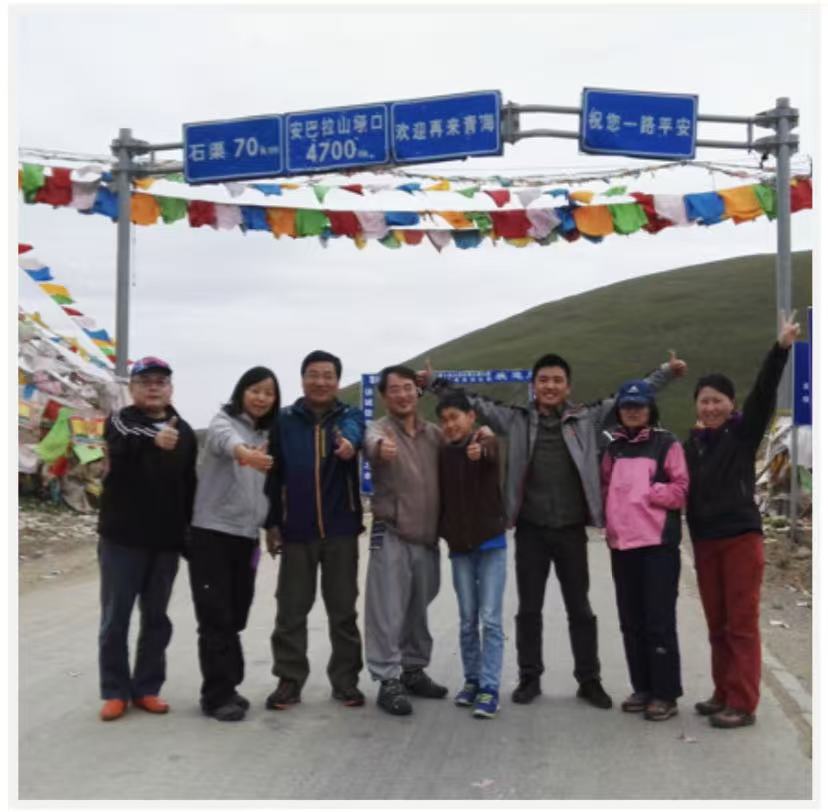
Image 1: Sunflower Team(July, 2015)Zhang Haizheng, Lu Fang, Zheng Weidong, Yang Yongxiao, Yang Yijian, Qin Liqiang, Li Zheng and Lin Tianjiao
Acupuncture has a long history. According to evidence, acupuncture therapy was born around the Neolithic era. The earliest record of acupuncture appeared in the book Yellow Emperor’s Classic of Internal Medicine. In the book, the shape of nine needles is described, the theory and techniques of acupuncture are described in detail.
When the ancient medicine meets the modern Chinese medicine practitioner, what kind of chemical reaction will happen?
Yang Yongxiao graduated from Zhejiang University of Traditional Chinese Medicine, majoring in Traditional Chinese Medicine(TCM). He founded Yingxiang(应象)School out of his love for TCM at the age of 40.
In 2007, Yingxiang School started teaching TCM to people who interested in TCM, with the vision of passing on the original TCM culture. The following year, Yingxiang and Jacques Pialoux, author of book Introduction to Classical Acupuncture, and Dr. Hu Siwei held the first acupuncture training for the public.
In March 2010, Shanghai Yingxiang TCM Clinic was established and equipped with its own Yingxiang Pharmacy. In the same year, Yingxiang’s public welfare project – Grassroots Doctors Acupuncture Training Program, named “Sunflower”,
was officially launched.
Over the past eight years, Drs. Yang Yongxiao, Xu Yarong, Hu Siwei, and Chen Cheng, along with dozens of volunteers, have traveled to more than 10 provinces and cities, including Sichuan, Yunnan, and Henan, to provide free public acupuncture training to nearly 1,000 grassroots doctors.
In 2015, Sunflower opened a public service training course on holographic acupuncture for Tibetan medical schools, which is now in its fourth year and has trained more than 200 medical students. Currently, more than 90% of the trainees are engaged in grassroots medical services in Tibetan areas.
From the beginning to the end, from the end to a new beginning
The backbone of Yingxiang is mostly middle-aged doctors in their forties. They came together out of a shared love for the culture of TCM. Today, it has grown from a small team of seven to a boutique TCM clinic with about 30 employees. In Yingxiang, they have flexible working hours and time for education, research, academic exchange and public welfare. Most of them have volunteered for public welfare projects initiated by Yingxiang. The practice of public welfare has long been integrated into the corporate culture.
Yang Yongxiao first became involved in philanthropy in 2006 when he was a full-time MBA student of Peking University. At the time, he was looking for a new owner for a batch of brand new IOLs (an artificial lens implanted in the eye to replace the natural lens – Editor’s note). He planned to donate them all to Peking University, but unexpectedly struck up a friendship with a fellow alumnus, Shanghai ophthalmologist Zhang Xingru, and together they started a charity brightness Project-Guangming Xing(GMX). This batch of IOLs was then taken to Zuoqin Township, Dege County, Highland, where Tibetans suffering from cataracts benefited from their free GXM clinic and regained their sight.
In 2015, AEGON-INDUSTRIAL, a fund management company, invited Yingxiang to teach an acupuncture class for the Tibetan medical School, where it sponsors meals for students. Coincidentally, this School happened to be located in Derge Zochen. Yang Yongxiao recalled that nine years ago, GMX met the Living Buddha Gega Rinpoche, who had expressed a wish to raise funds to build a hospital for Tibetans in Derge. Nine years later, Yang Yongxiao started a new public welfare project in the same place.
Dege is a small county surrounded by mountains, and the Zuoqin Liuliguang Tibetan Medicine Hospital is on the outskirts of a small town, with the prairie just outside its walls. There were seven volunteers, Yang Yongxiao and Professor Zheng Weidong, and five other volunteers who went to Zuoqin for the first time to teach in the Tibetan medicine class. With a large number of courses to complete in just one week of training, most of the “Sunflower” team suffered from altitude sickness, and all of them endured physical challenges.
Li Jing has worked at Zochen Liuliguang Hospital for more than ten years. She told JM: “Dege Zochen Liuliguang Tibetan Medicine School was founded on the basis of Liuliguang Hospital, which was established in 2005. At present, Liuliguang Hospital is a well-respected private hospital in Ganzi Prefecture, which charges patients a very low fee and is free for poor patients.”
It is understood that the food expenses and part of the daily operating expenses of the students of the Tibetan Medicine School covered by the Shanghai AEGON-INDUSTRIAL. The School recruit students from remote villages in Tibetan areas for a three-year program. Upon graduation, students receive a national high school diploma and are required to return to their villages to work for at least six years.
Editor note:
In 2005, Gekar Rinpoche founded the Zochen Glazed Light Charity Hospital. While the hospital practices medicine and saves lives, it has also taken on the important task of teaching Tibetan medicine.
(To be continued)
Image source: Yingxiang
Ralated:
The Story of Sunflower: Acupuncture Became “Good Doctor” in Remote Areas(II)
Great Love of the Great Doctor: Zhang Xingru’s Philosophy of Philanthropy
JM Review | It is the sustainability of business philosophy, not just business
MicroCharity | Stories About Sacima
Talk to the Founders of NGOCN (III)
【专栏】| Conlumists >超越平凡的生活
By Jasmine, Jointing.Media, in Hong Kong, 2011-11-20
The joy of planting seeds of philanthropy
“After a few years of practice, I am reflecting on why international NGO poverty alleviation programmes are not effective,’ says SecondBee, sharing his insights on public service in his blog. Too many resources are invested in one or two villages, and the results are not obvious or replicable in a small pilot, making it difficult to scale up to government. If this is the case, why not change the strategy and make project results a secondary goal and prioritise talent development? The greatest strength of international NGOs is that they bring new ideas and ways of working to China. They should play to their strengths and use their projects as a means to an end – to develop leaders for the local public interest sector through their projects – in order to achieve geometric benefits.
Many donors who support international NGOs don’t readily accept this shift in goals. SecondBee says: ‘Traditionally, their orientation towards NGOs is still largely focused on charity, poverty alleviation and the like. It is particularly important to see some tangible results, such as a school being built, [so that] they see the money they donate as fruitful.
Commenting on the current rise of public welfare entrepreneurship among university students, He think that NGOs should not have too many concepts, otherwise it is easy to become a slogan. As it is difficult for students to find a job, they should first think about how to support themselves. After their livelihood is guaranteed, they should contact more points through the public welfare platform, and then see if there is a possibility of public welfare entrepreneurship. In any case, it is good that someone is willing to start a business. Only when more people start their own businesses, and there is an atmosphere of not being afraid of failure in business, will this society become more and more dynamic.
In his opinion, students’ social entrepreneurship has certain advantages, such as the low cost of failure; students are bold and fearless; new ideas, dare to break the conventional thinking. The disadvantage is that they have no experience. The Rural Volunteer Programme, which he was in charge of at the beginning, was also an opportunity to help students think about their own direction – whether to work in an NGO, start a business in an NGO, or return to business.
According to a scientific study, the 30-39 age group is the most creative period for most people. It was during this time that SecondBee met NotFish and devoted much of their spare time to setting up NGOCN, which has grown with NotFish from his early 20s to his 30s, the brightest years of his youth.
JM: Where does your passion for philanthropy come from?
SecondBee: A sense of existence, of self-worth.
JM: How do you feel about life?
SecondBee: To save more money and buy a big house, which is not fundamentally different from what most people think.
JM: What is your goal in doing charity work?
SecondBee: To find the right people and lead them to charity. At that time there were two phases of the Rural Volunteer Programme. Two of the three people who participated in the first programme are now working in NGOs and one is doing charity work in her spare time. In the second programme, the five people who participated in the field interviews have all participated in public welfare work and the result is good.
JM: How do you define the place and importance of pro bono in your lives?
SecondBee: Everyone’s situation is different, but most people can’t give up their old jobs to do pro bono work. So philanthropy is just a part of life, a complement to work. This is the only way to mainstream and normalise philanthropy. Of course, people are at different stages in their lives and their focus will be different. Some people can dedicate several years of their lives to public service and look back on it as a great experience. It’s also good to be able to bring that experience back into your work and life and influence people around you.
Talking to SecondBee from dusk until the restaurant closes, I sense that he values his friendship with NotFish. A common vision brought two people from different backgrounds together to practice public welfare through NGOCN. Although this friendship is not as magnificent as Yujian’s clothesline, not as poetic as Bo Ya Ziqi’s, and not as deep as Guan Bao’s friendship, it is still enviable.
Some people say that NGOCN reflects the growth of grassroots public welfare organisations in China; some say that NGOCN’s positioning has not been clear enough, so it has run into a bottleneck; some say that NGOCN has neglected to build relationships with local governments, which has slowed down its own development. ……
The development of any organisation cannot be separated from its environment and will inevitably be shaped by the times. Whether it is a commercial organisation or a charity, it reflects the present, but it is also the history of the future. Perhaps what we can do now is just an accumulation or an attempt in a certain direction for those who come after us.
The same goes for NGOCN. After all, they are the first mover.
(The End)
Translated by DeepL
Edited by Wind
Related:
Talk to the Founders of NGOCN (I)
Talk to the Founders of NGOCN (II)
【专栏】| Conlumists >超越平凡的生活
By Jasmine, Jointing.Media, in Hong Kong, 2011-11-05
Starting in Yunnan
How they came to meet cannot be separated from Yunnan.
In 2001, SecondBee went to the UK for a postgraduate course in rural development. The following year he travelled to rural Africa to research his dissertation. It was the first time he had been to a rural area in a poor region, and the first time he had seen people living in abject poverty and felt the despair in their eyes. He said he was surprised and ‘a bit overwhelmed’.
In 2003, he was working as a programme officer for an international NGO in Kunming. One of his tasks was to take charge of the ‘Rural Volunteer Programme’, in which volunteers, mainly in cooperation with the local government, went to the countryside and were required to stay at the project site for six months, with no possibility of leaving in the middle of their stay. NotFish, who was still a university student at the time, signed up for the programme and went to the project site in Yunnan. Recalling his first meeting with NotFish, he said he was most impressed by the sincerity he felt during the interview.
Sincerity is as important as competence in everything we do,” said SecondBees, adding that without NotFish, NGOCN would not have developed as it did.
NGOCN was officially registered in 2006. Initially, the running costs were paid out of their own pockets. From the following year, NGOCN applied for annual project funding of 200,000 RMB from a non-profit organisation. At that time, they planned to do offline activities and presented a three-year vision. Since then, the number of visits to the website has exceeded one million and NGOCN is beginning to take off.
In December 2009, NGOCN’s website was redesigned for the second time, moving from Web 1.0 to Web 2.0, with the website’s function shifting from one-way communication to two-way communication.
In 2010 NGOCN had a ‘Financial Incident’. The team dealt with the situation quickly and took the initiative to announce the situation to the public, which received positive reactions and understanding from netizens. This incident prompted NGOCN to think about transforming from a semi-amateur public service to a professional public service, and from a grassroots organization to a formal organization.
In early 2011, NGOCN moved from Kunming to Guangzhou, where NotFish is based. In September, NGOCN advertised a ‘Hero Job’ to recruit an executive director. SecondBee said bluntly: “NGOCN really needs to transform itself into a social enterprise so that it can develop in a better and more sustainable way.”
JM: What do your parents think about your charity work?
NotFish: They don’t really understand, but they’re OK, they’re like a silent support. My parents are retired.
JM: Is your family supportive of your public service?
SecondBee: Generally, as long as they can balance work, charity and family. It’s exhausting to look after NGOCN in my spare time, but I’ll continue.
JM: Why don’t you give up?
SecondBee: Only if we persevere can we do well. When you get tired and can’t take it anymore, you have to learn to manage your time and fight a long battle.
JM: What is it about this work that makes it worthwhile for you to continue?
SecondBee: It’s just to do what I can with my intuition – to bring more attention to public welfare. Everyone is responsible and concerned about other people, (which) can be contagious to those around them.
(To be continued)
Translated by DeepL
Edited by Wind
Related:
Talk to the Founders of NGOCN (I)
Talk to the Founders of NGOCN(III)
Talk to the Founders of NGOCN (I)
【专栏】| Conlumists >超越平凡的生活
By Jasmine, Jointing.Media, in Hong Kong, 2011-10-15
A bee and a fish, one flying in the air and the other swimming in the water. What happens when these two creatures meet?
The answer is NGOCN.
NGOCN is short for NGO Development and Communication Network. In 2003, SecondBee (screen names) and NotFish (screen names), who are almost ten years apart in age, met through a public welfare project. The following year they founded NGOCN together, and their friendship continues to this day because of this common cause.
Public service is a serious hobby
“Some people have not met the right moment and the right thing – the moment to change and the thing to be,” says TwoBees.
NGOCN is what he is destined to do in his 30-39 years, and it is the starting point of his growth in this period.
SecondBee met me at a Japanese restaurant not far from my hotel to take care of my unfamiliar place. He was of medium build, wore a light-coloured short-sleeved shirt and spoke in Mandarin with a Hong Kong accent, not too fast. He had just returned to Hong Kong from a business trip and looked a little haggard and tired.
SecondBee currently works as an environmental and social responsibility consultant, and NGOCN is one of his hobbies in his spare time. Not to break up the old life,” he says, “is an important limit to doing charity work in your spare time. According to him, charity work is different from sports and leisure activities, and is a serious hobby.
He grew up in Hong Kong, and after graduating from high school, he went to university to study agricultural economics. His parents were very open-minded and did not force him to study engineering or economics, which were popular at the time, but told him: ‘You can choose whatever you want.
Why did you choose agricultural economics? I asked.
“It just felt different,” He said.
Curious about the origin of his screen name ‘SecondBee’. No particular symbolism. When I was at college there was a popular dance song called Bumblebee and I was the second child in the family, so the combination of the two was SecondBee.
SecondBee was a music youth, playing guitar and bass at university.. This hobby continues to this day. He now performs occasionally in Hong Kong to entertain himself and his friends. Ask him about his ‘masterpiece’.
“I can’t think of my favourite song, but I was more satisfied with this performance in 2009,” says he, “I’m in a band and I have to work together.
He co-founded NGOCN with NotFish in 2004, when he was in his early 30s and working for an international NGO. Although the platform of this internationally renowned NGO was large, many of his personal ideas could not be realised. NGOCN was a way of balancing his ideals with his work. For NotFish, public welfare seems to be a combination of his work and his hobby.
NotFish is from Guangdong. Described as ‘post-80s’, he worked at the Centre for Citizenship and Social Development at Sun Yat-sen University and began to focus on public welfare in 2000, and a trip to northwest China in 2001 left a deep impression on the mountainous regions. Before founding NGOCN, NotFish, like most people, fulfilled his desire for public welfare by helping students. By chance, he became a full-time publicist.
JM: What are your hobbies? Which one are you most passionate about?
NotFish: Music, reading, meditation.
JM: Is public service more of a hobby or a career for you?
NotFish: What is public interest? If it refers to all public interests in general, then it is a career for me. If it refers only to
what I’m doing at the moment, then it can only be described as ‘Phased undertaking + hobby’.
Translated by DeepL
Edited by Wind
Lanxuan Home, a new force in the elderly care market
By Eco Zhang Xiaomei Ji,Jointing.Media,in Beijing,2011-04-28
The path of a market pioneer is not a smooth one. Lanxuan House has chosen to try a new field and be a “pioneer” in the elderly care market. This choice is a growth experience for individuals and organisations, and a driving force for the development of the industry.
In 2010, Chen Yanqiong’s team participated in the Tencent Social Entrepreneurship Business Competition (SEBC) with the Lanxuan Care Plan and won the second prize. After the competition, they founded Beijing Lanxuan House Elderly Care Service Co., Ltd (Lanxuan House), which mainly focuses on elderly care, elderly personnel services and home care services.
Chen Yanqiong is one of the few people who have continued her project and stuck to it. She believes that there are many opportunities in the elderly care market, and that improving service quality and cultivating talent in the industry are the current problems facing the industry. Lanxuan Home hopes to improve the overall service quality of the industry by improving the professional status and treatment of caregivers.
Encounters with philanthropy
Chen Yanqiong came to Tsinghua University in 2008 to study for her MBA, but before that she had sponsored some students, but it was after she joined the Sunshine Charity Club of Tsinghua University that she focused on charity work. After the 5-12″ earthquake, she and her fellow members went to Mianzhu, Sichuan Province, to provide psychological counselling to senior high school students before their exams, and donated a library to Mianzhu Middle School. …… For her positive contribution to public welfare activities, Tsinghua University’s School of Economics and Management awarded her the title of ‘Pioneer of Public Welfare’ in 2011. At that time, she was very concerned about China’s elderly care market.
She was very concerned about China’s elderly care market at the time and often discussed it with her friends. During the Spring Festival in 2010, Chen Yanqiong and her classmates produced a DV film about the daily lives of the elderly and their caregivers in nursing homes, using the song “Beijing Welcomes You” as background music. They finished the film on the first day of the Chinese New Year and sent it to the nursing home as a special gift. On that day, the family members were very happy to see the daily life of their elderly relatives and caregivers reflected in the video. Chen Yanqiong said that seeing them so happy made her happy, even though it was hard work.
In the same year, Chen Yanqiong heard about SEBC and signed up for the first competition with like-minded people under the Lanxuan Care Programme. For Chen Yanqiong’s team members, participating in SEBC was not only a team exercise, but also a catalyst for the project to take shape. They seized the opportunity to participate in the competition to systematically organize the project. Talking about the benefits of participating in the competition, Chen Yanqiong recalls the joy of growth.
The elderly have a special temperament
It is often said that ‘there is no filial son before a sick bed’. Even when caring for a parent who is semi-nursing or has lost the ability to care for himself, it is difficult for a child to maintain patience for a long time, let alone care for someone else’s parent who needs more love, patience and responsibility.
People who care for the elderly have a special temperament. Chen Yanqiong said that their special temperament is not only reflected in their professional attitude, but also in their dedication and affection. Managers of elderly care organisations work long hours, which makes it difficult for them to be with their families. No matter how tired they are themselves, they have to keep a smile on their faces and a neat appearance in order to serve each elderly person with a full spirit.
It is very hard work to look after the elderly. Chen Yanqiong feels this very deeply. 2010 Spring Festival, Chen Yanqiong has been working as a volunteer at Qianhe Residential Home for the Elderly for more than half a year. During the Spring Festival, there is a “shortage of nannies”. The director wakes up at six o’clock every day to look after the elderly who cannot look after themselves.
According to the data, China’s ageing trend will intensify in the next ten years, and the pressure on young people to support their parents will increase. Although the elderly market is huge, it is still in the cultivation stage and needs to integrate resources from all sides. Chen Yanqiong believes that only with strong support from the government and private investment from the community can the elderly care sector provide diversified and high-quality services.
Making elderly care a respected profession
Grassroots caregivers and nannies in the elderly care sector belong to the vulnerable group. They belong to the ‘three lows’: low professional status, low treatment and low skills. Only by improving the professional status of caregivers and creating favourable working conditions and treatment for caregivers can we attract more high-quality talents, including young people, to work in the elderly care industry. Chen Yanqiong believes that if the hardware (working environment) and software (system and culture) are good, staff will naturally want to stay. In her words, ‘this is the engine for the development of the elderly care industry’.
For the elderly to receive better services, it is necessary to improve the quality and status of caregivers. Everyone grows old slowly, and “we should take care of our own elderly as well as those of others”. Elderly care workers are doing their filial duty to their children, and this is a profession that deserves the respect of society as a whole. Chen Yanqiong believes that as the population ages, not only will “respecting and loving the elderly” become a trend, but the culture of respecting and caring for caregivers will also gradually take shape. It is an inevitable trend that the value of human capital will be upgraded with social and economic development, and the treatment of elderly caregivers will also be gradually upgraded.
For more than a year, Lanxuan House has gone from providing human resources services (recruiting, training and dispatching personnel) for nursing institutions to exploring the establishment of a long-term training base. On the basis of human resources training, Lanxuan Home provides professional nursing services and home services for suitable groups; it combines modern technological means with traditional nursing care and seeks breakthroughs in the content and management of nursing services; it trains nursing staff and improves the quality of services so that the elderly can receive better services. This is the social value of Lanxuan Home.
At present, Lanxuan Home is establishing a wide range of cooperation with the elderly service vocational school, nursing school, health school, etc., cooperating with the relatively poor area, establishing the personnel transfer channel, paying attention to humanistic care, improving the treatment of staff in the process, and building the Lanxuan brand with great care. Only the staff who feel comfortable working here will stay, slowly forming a stable service team. Chen Yanqiong said.
Social enterprise is also a way to meet social needs
Chen Yanqiong understands the concept of “social enterprise” as “achieving the goal of social value through the idea and method of business operation”. In her view, there are different levels and types of needs among the elderly. Diversified needs should be met by marketable products and services. As an entrepreneurial company, Lanxuan Home has innovative advantages in business model and team.
At present, LanXuanHome has summed up a series of business model after continuous adjustment: expanding middle and high-end customers, providing cost-effective services, and continuously cultivating and reserving talents. Although LanXuanHome has not yet reached the balance of income and expenses, Chen Yanqiong is still firmly optimistic about this direction. She said optimistically, “Everything is from small to big. The retirement industry is a sunrise industry. The business model of any sunrise industry must be constantly explored, repeatedly changed in practice, and timely adjusted to the market.
She believes that entrepreneurship requires a strong will and attitude. When faced with difficulties at work, it is not difficult to get encouragement from colleagues and friends. When people face difficulties, they have to keep going. If you give up, you will only fail. If you do not give up, you will have the possibility of success, you will have more opportunities.
The path of a market pioneer cannot be smooth. Lanxuan Home chose to try a new field, chose to be the “pioneer” of the retirement market. This kind of choice is a growth experience for individuals and organisations, and it is also a driving force for the development of the industry.
Translated by DeepL
Edited by Jas
CUMBA CSR Conference

http://cumbacsr.baf.cuhk.edu.hk
The CUMBA CSR Conference as one of the leading CSR initiatives in Asia is the annual highlight event of The Chinese University of Hong Kong Business School since 2007. Our goals are to create awareness of corporate social responsibility among decision makers and professionals, to provide a platform for manag- ers and employees to share and discuss best practices in CSR, and to foster future business leaders in Asia about value creation and sustainability through CSR initiatives.
Source:CUHK MBA
More>>
Rockefeller Foundation
【公益词典】| Lexicon

http://www.rockefellerfoundation.org/
The Rockefeller Foundation aims to achieve equitable growth by expanding opportunity for more people in more places worldwide, and to build resilience by helping them prepare for, withstand, and emerge stronger from acute shocks and chronic stresses. Throughout its 100 year history, the Rockefeller Foundation has enhanced the impact of innovative thinkers and actors working to change the world by providing the resources, networks, convening power, and technologies to move them from idea to impact. In today’s dynamic and interconnected world, The Rockefeller Foundation has a unique ability to address the emerging challenges facing humankind through innovation, intervention and influence in order to shape agendas and inform decision-making.
The 2013 Centennial Innovation Challenge: challenge.rockefellerfoundation.org
Source: Yifan
More>> The Rockefeller Foundation Launches the 2013 Centennial Innovation Challenge
ECSEL

ECSEL is a fully-subsidized incubation program for entrepreneurs looking to build or expand a social business in greater China.
Through the course of our year-long, part-time program, participants receive two international training trips (one in the United States, one in mainland China), customized mentorship, and investment opportunities.
Source: ECSEL
![[Recruiting 2011] Jointing.Media](http://jointings.org/eng/wp-content/themes/news-magazine-theme-640/cropper.php?src=/cn/wp-content/uploads/2012/06/123.png&h=50&w=50&zc=1&q=95)


